
Visual Comfort: Designer Lighting for Every Space
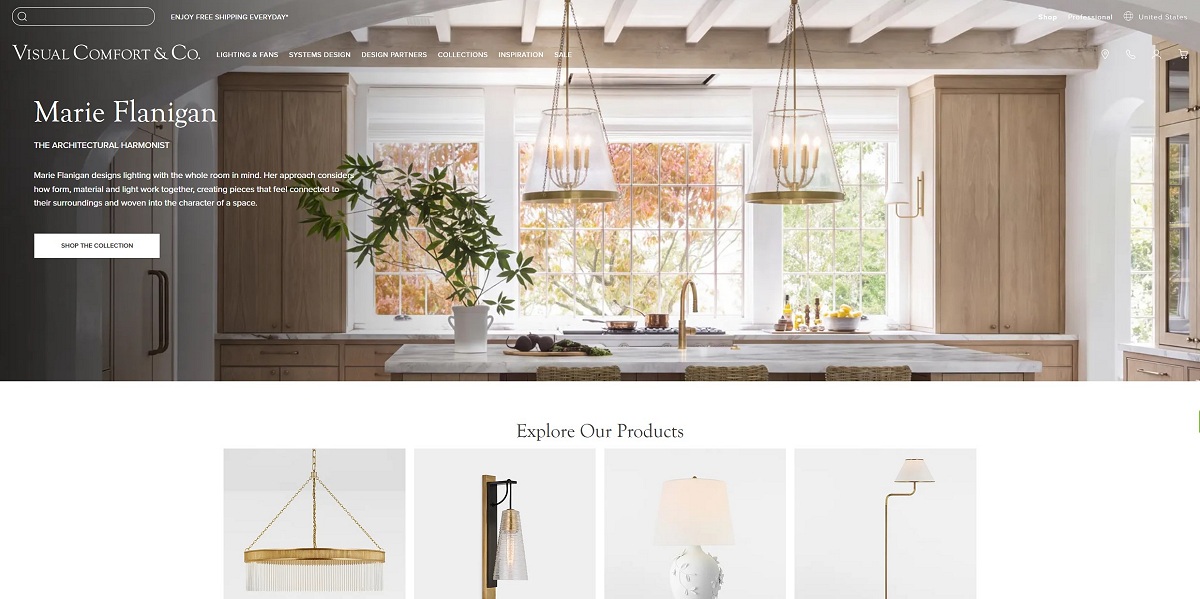
Explore Visual Comfort & Co., a designer lighting destination offering sophisticated indoor and outdoor lighting for residential and commercial spaces. Discover chandeliers, pendants, sconces, table lamps, floor lamps, ceiling fixtures, outdoor lighting, fans and architectural lighting designed to bring character and functionality to modern interiors.
Some links may earn us a commission.
Lighting Designed to Become Part of the Room
Visual Comfort & Co. brings together decorative lighting, architectural solutions, outdoor fixtures and ceiling fans with an emphasis on design, materials and craftsmanship. Its collections range from statement chandeliers and pendants to practical wall, table, floor and outdoor lighting, making it possible to coordinate lighting throughout an entire home or project.
Explore Visual Comfort Lighting Categories
Ceiling Lighting
Explore chandeliers, pendants, flush mounts and other ceiling fixtures designed to provide both illumination and visual impact.
Explore Ceiling Lighting →Wall Lighting
Discover sconces, bath lighting, picture lights and other wall-mounted fixtures for layering light throughout your interior.
Explore Wall Lighting →Table Lighting
Find decorative and functional table lamps that add focused illumination and personality to living rooms, bedrooms, offices and entryways.
Explore Table Lighting →Floor Lighting
Explore floor lamps and decorative lighting designed to add height, atmosphere and practical illumination to larger spaces.
Explore Floor Lighting →Outdoor Lighting
Discover outdoor fixtures for porches, patios, entrances, terraces and other exterior spaces.
Explore Outdoor Lighting →Cordless & Rechargeable
Explore portable lighting designed to provide flexibility without relying on a traditional power cord.
Explore Cordless Lighting →Ceiling Fans
Discover ceiling fans that combine airflow and functionality with decorative silhouettes suitable for indoor and outdoor environments.
Explore Ceiling Fans →Architectural Lighting
Explore specification-grade lighting solutions including task, accent and recessed lighting for carefully planned interiors.
Explore Architectural Lighting →About Visual Comfort & Co.
Visual Comfort & Co. is a destination for decorative and architectural lighting, bringing together a broad range of fixtures for residential interiors, outdoor areas and professional design projects. Rather than treating lighting as an afterthought, the collections place emphasis on the relationship between the fixture, the room and the quality of light.
The portfolio includes multiple collections with different design approaches and price positioning. The Signature Collection focuses on premium natural materials, craftsmanship and distinctive finishes, while the Modern Collection emphasizes original and timeless designs developed with designers and design partners. The Studio Collection offers designer-oriented looks at more accessible price points.
The assortment also extends beyond decorative fixtures. Architectural lighting, outdoor products, ceiling fans and cordless and rechargeable lamps provide additional options for creating a complete lighting plan. This broad range makes it possible to approach lighting as a coordinated system rather than selecting unrelated fixtures one room at a time.
Ceiling Lighting and Statement Fixtures
Ceiling lighting is often one of the most visible elements in a room. A chandelier above a dining table, a pendant above a kitchen island or a carefully selected flush mount in a hallway can influence both the atmosphere and the visual balance of an interior.
The ceiling assortment includes different fixture formats designed for different architectural situations. Chandeliers can act as a central decorative feature, while pendants can provide focused illumination above work surfaces, dining areas, bedside tables or kitchen islands. Flush mounts can be useful where ceiling height or a lower-profile appearance is important.
When choosing a ceiling fixture, dimensions should be considered alongside the size of the room and the furniture underneath it. A large chandelier may work particularly well in a spacious dining room, while a smaller pendant or flush mount may be more appropriate for a hallway, bedroom or compact entryway.
Ceiling lighting can also establish a visual connection between rooms. Using related finishes, materials or silhouettes throughout an open-plan home can help create a more cohesive design without requiring every fixture to match exactly.
Wall Lighting for Layered Interiors
Wall lighting is an important part of a layered lighting plan. Unlike a central ceiling fixture, a wall-mounted light can introduce illumination closer to eye level while adding architectural detail to the room.
The collection includes sconces and other wall-mounted solutions suitable for living rooms, bedrooms, hallways, bathrooms and other areas. Picture lights can also be used to highlight artwork, photography or architectural details.
In bedrooms, wall sconces can provide an alternative to bedside table lamps. In hallways, appropriately positioned fixtures can create a rhythm of light along the walls. In bathrooms, dedicated lighting can complement the primary ceiling fixture and provide useful illumination around mirrors.
Wall lighting is particularly useful when designing a room with several layers of illumination. Combining ceiling fixtures with sconces, table lamps and floor lamps can create different lighting levels for different activities and times of day.
Table Lamps and Decorative Lighting
Table lamps provide a practical way to introduce additional light without changing the electrical layout of a room. They can be positioned on nightstands, consoles, desks, side tables, cabinets and other surfaces.
Decorative table lighting can also become an important design element. The base, shade, material and finish all contribute to the appearance of the fixture even when the lamp is switched off.
In a living room, a pair of table lamps can help balance a console or side tables while providing localized illumination. In a bedroom, bedside lamps can create a softer lighting layer for reading or relaxing. In an office or study, a task-oriented lamp can provide more concentrated illumination where it is needed.
Cordless and rechargeable lighting expands the possibilities for portable illumination. These fixtures can be useful when you want to change the location of a lamp without being limited by the position of an electrical outlet.
Floor Lamps for Living Rooms and Larger Spaces
Floor lamps are useful when a room needs another lighting layer but there is limited space for additional furniture. They can be placed beside sofas, reading chairs, consoles or other areas where additional illumination is useful.
Their vertical form also gives designers an opportunity to introduce another visual dimension into a room. A tall floor lamp can draw the eye upward, while an arched design can extend light over a seating area without requiring a table directly underneath the fixture.
When selecting a floor lamp, consider both its physical footprint and the position of the light source. The fixture should work with surrounding furniture rather than obstructing walkways or making a seating area feel crowded.
Floor lighting can complement ceiling fixtures rather than replace them. A central chandelier or pendant can provide general illumination while a floor lamp adds a more localized layer for reading, conversation or relaxation.
Outdoor Lighting
Outdoor lighting extends the design language of a home beyond its interior walls. Visual Comfort offers fixtures for areas such as entrances, porches, patios, terraces and other exterior spaces.
Outdoor ceiling fixtures can provide illumination for covered entrances and entertaining areas, while outdoor wall lighting can help define doors, pathways and architectural features. Flush mounts can be useful where a low-profile fixture is preferred.
The outdoor assortment includes a range of styles, from traditional and transitional forms to contemporary designs. Materials and finishes are selected according to the intended application and installation environment.
When selecting outdoor lighting, always consider the location of the fixture, exposure to weather, required mounting position and the manufacturer’s specifications. A fixture intended for a covered porch may have different requirements from one exposed directly to rain and changing weather conditions.
Cordless and Rechargeable Lighting
Cordless lighting adds flexibility to spaces where traditional lamps may be difficult to position. Without a permanent power cord connecting the fixture to a wall outlet, portable lighting can be moved when the room layout changes or when additional illumination is needed in a different location.
This approach can be particularly useful for dining tables, outdoor entertaining areas, bedside surfaces, consoles and other locations where cables can interfere with the appearance of the space.
Portable lighting can also be useful for creating temporary lighting arrangements. Instead of committing every fixture to one location, homeowners can experiment with different positions and lighting levels as their needs change.
Signature Collection
The Signature Collection represents one of the most design-focused areas of the portfolio. The collection is developed in collaboration with influential designers and places emphasis on premium natural materials, craftsmanship and distinctive finishes.
Signature products are designed to provide the appearance, quality and character associated with bespoke design. The assortment includes ceiling, wall, table, floor and outdoor lighting, allowing the same design-oriented approach to be carried through multiple areas of a project.
For homeowners working on a carefully coordinated interior, a collection such as Signature can provide a starting point for establishing a consistent material and finish palette. Individual fixtures do not necessarily need to match exactly; instead, related finishes and proportions can create visual continuity.
Modern Collection
The Modern Collection focuses on original and timeless lighting solutions for contemporary environments. The collection combines innovation and original design with an emphasis on quality and collaboration with designers and design partners.
Modern lighting can work particularly well in interiors where clean architectural lines, contemporary furniture and carefully selected materials are already central to the design. A modern fixture does not necessarily have to dominate a room. It can instead provide a controlled visual element that complements the surrounding architecture.
The collection includes both indoor and outdoor lighting, making it possible to carry a contemporary design approach across multiple areas of a property.
Studio Collection
The Studio Collection provides another approach to designer-inspired lighting. It combines considered design with techniques and materials intended to create designer looks at more accessible price points.
The collection includes ceiling, wall, table, floor and outdoor lighting. This broad format makes it useful for projects where a consistent design direction is needed across several rooms without limiting the selection to a single type of fixture.
When planning an entire home, collections with multiple fixture categories can simplify the process of creating visual relationships between rooms. A pendant in the kitchen, sconces in a hallway and table lamps in a living room can each serve different purposes while still working within a related design language.
Architectural Lighting
Decorative lighting and architectural lighting serve different roles, although they can work together within the same project. Decorative fixtures often become visible design elements, while architectural lighting can be integrated more discreetly into the structure of a room.
Architectural lighting focuses on specification-grade solutions including linear task and accent lighting and recessed downlights. This type of lighting is particularly useful where controlled illumination and careful placement are important parts of the design.
Architectural lighting can be useful in kitchens, offices, galleries, corridors and other areas where precise illumination is important. It can also provide a foundation for layered lighting, with decorative fixtures then added to introduce visual character.
Ceiling Fans with a Design Focus
Ceiling fans are often treated as purely functional products, but the Visual Comfort Fan Collection approaches them as part of the overall interior design. The collection combines technology and materials with decorative forms intended to complement indoor and outdoor environments.
A ceiling fan can be particularly useful in bedrooms, living rooms, covered patios and other spaces where air circulation is important. Selecting a design that works with the room’s lighting, furniture and architectural details can help the fan feel like an intentional part of the space rather than an isolated functional component.
For open-plan interiors, the relationship between ceiling fans and lighting deserves additional attention. The scale of the fan, the size of the room and the position of other ceiling fixtures should all be considered before installation.
Choosing Lighting for Different Rooms
One of the most useful ways to approach a large lighting assortment is to start with the room rather than the fixture. Different spaces require different combinations of general, task and accent illumination.
Living Room
A living room can benefit from several layers of lighting. A chandelier or ceiling fixture can establish general illumination, while floor lamps and table lamps provide more localized light around seating areas. Wall sconces can add another layer and emphasize architectural features.
Dining Room
Dining rooms often provide an opportunity for a statement chandelier or pendant. The fixture should be appropriately scaled to the table and room while providing useful illumination without creating excessive glare.
Kitchen
Kitchens generally benefit from a combination of ambient and task lighting. Pendants can be used above islands, while recessed or architectural lighting can provide more consistent illumination across work surfaces.
Bedroom
Bedrooms typically benefit from softer, layered lighting. Bedside table lamps or wall sconces can provide reading light, while a central fixture can provide general illumination. Cordless lamps can also be useful when flexibility is important.
Bathroom
Bathroom lighting needs to combine function with appropriate design. Wall-mounted fixtures around a mirror can provide useful illumination for grooming, while ceiling fixtures can contribute general light.
Entryway and Hallways
Entryways create the first impression of an interior, making lighting particularly important. A pendant or chandelier can establish a focal point where ceiling height allows it, while wall lighting can help illuminate longer corridors.
Creating a Layered Lighting Plan
A well-designed lighting plan rarely depends on a single fixture. Instead, different types of illumination can work together to make a room more adaptable.
Ambient lighting provides general illumination throughout the room. Task lighting focuses light where specific activities take place, such as reading, cooking or working. Accent lighting can emphasize artwork, architectural features or decorative objects.
Combining these layers gives homeowners more control over how a room feels at different times. Bright general illumination may be useful during active periods of the day, while lower-level table or floor lighting can create a more relaxed atmosphere later in the evening.
Dimmable fixtures can add another level of flexibility. When available, dimming capability should be checked in the individual product specifications together with the recommended bulbs, drivers and control systems.
Materials, Finishes and Design Details
Lighting fixtures are visible architectural objects, so material and finish can have a major influence on the overall appearance of a room. Brass, bronze, black, nickel, chrome, glass, natural materials and other finishes can each create a different visual relationship with furniture and architecture.
Glass can create a lighter and more transparent appearance, while darker metals can provide stronger contrast. Warm metallic finishes can complement wood, neutral fabrics and traditional interiors, while black or mixed finishes can work effectively in contemporary environments.
Scale is equally important. A fixture that looks appropriately proportioned in a showroom photograph may appear very different in a smaller room. Before purchasing, measure the room, ceiling height, furniture and available installation space.
Lighting for Indoor and Outdoor Spaces
A complete lighting plan can continue from the interior of the home to exterior spaces. Matching every fixture is not necessary, but related finishes and design characteristics can create a stronger visual connection.
For example, a home’s interior may use warm metallic finishes while the covered patio uses complementary outdoor fixtures. Entry lighting can then provide a transition between the two environments.
Outdoor fixtures should always be selected according to their intended application and installation location. Weather exposure, mounting position and electrical requirements should be checked against the product specifications before installation.
How to Choose the Right Fixture
Start by identifying the primary purpose of the light. Decide whether you need general illumination, focused task lighting, decorative accent lighting or a combination of these.
Next, determine the appropriate fixture category. A chandelier or pendant may be suitable above a table, while a wall sconce may work better beside a mirror or bed. A floor lamp can provide flexible illumination in a seating area, while a recessed architectural fixture may be preferable where a more integrated appearance is required.
After choosing the format, consider dimensions, finish, material, light source, color temperature, dimming capability and installation requirements. These technical details can be just as important as the appearance of the fixture.
Finally, think about how the fixture relates to the rest of the room. Lighting should support the furniture, architecture and overall design rather than competing with them.
What to Consider Before Buying
- Measure the room and available installation area carefully.
- Consider ceiling height before choosing chandeliers or hanging fixtures.
- Check the fixture dimensions against the furniture underneath it.
- Review the required bulb or LED specifications.
- Check whether the fixture supports dimming if adjustable light levels are important.
- Consider the finish and how it relates to existing hardware and furniture.
- For outdoor fixtures, verify the intended environmental and installation requirements.
- Consider how multiple fixtures will work together within the same room.
- For architectural lighting, pay close attention to technical specifications and installation requirements.
- For larger projects, consider planning the complete lighting system before purchasing individual fixtures.
Designing a Complete Home Lighting Scheme
One advantage of working with a broad lighting portfolio is the ability to think about the entire home as one connected project. Instead of selecting fixtures independently for every room, you can establish a general design direction and then adapt it to each space.
A living room might combine a central ceiling fixture with table and floor lamps. The dining room could use a statement chandelier. The kitchen might combine pendants with architectural task lighting, while bedrooms could use bedside lamps or sconces with a softer central fixture.
Hallways, bathrooms, entryways and outdoor spaces can then be treated as additional layers of the same design concept. This approach helps avoid a situation where every room feels completely disconnected from the next.
The result does not have to be perfectly matched. Using different fixture types within a related palette can create a more collected and personalized interior.
Visual Comfort for Interior Design Projects
The breadth of the assortment makes Visual Comfort relevant not only for individual room updates but also for larger interior design and renovation projects. Designers can work with decorative, architectural and outdoor lighting as part of a broader specification process.
The combination of multiple collections also gives projects flexibility. A designer may use highly decorative pieces where the lighting is intended to become a focal point while using architectural solutions where the goal is more discreet illumination.
This distinction is useful in contemporary interiors where some areas benefit from visible decorative fixtures and others require lighting that integrates more closely with the architecture.
Frequently Asked Questions
What is Visual Comfort?
Visual Comfort & Co. is a lighting company offering decorative and architectural lighting for indoor and outdoor spaces, along with ceiling fans and other lighting solutions.
What types of lighting are available?
The assortment includes ceiling lighting, wall lighting, table lamps, floor lamps, outdoor lighting, cordless and rechargeable lighting, architectural lighting and ceiling fans.
What is the Visual Comfort Signature Collection?
The Signature Collection is a designer-focused collection developed with influential names in design and characterized by premium materials, craftsmanship and distinctive finishes.
Does Visual Comfort offer modern lighting?
Yes. The Modern Collection includes original and timeless indoor and outdoor lighting solutions developed in collaboration with designers and design partners.
Does Visual Comfort offer outdoor lighting?
Yes. The brand offers outdoor lighting for areas including entrances, patios, porches, terraces and other exterior spaces.
Does Visual Comfort offer table and floor lamps?
Yes. Table and floor lighting are part of the broader portfolio and can be used to create additional layers of illumination throughout a home.
Does Visual Comfort offer cordless lamps?
Yes. Visual Comfort features cordless and rechargeable lighting designed for greater flexibility and portability.
What is architectural lighting?
Architectural lighting focuses on integrated or specification-grade illumination such as task, accent and recessed lighting, where the performance and placement of the light are important parts of the design.
How should I choose a chandelier?
Consider the size of the room, ceiling height, table or furniture dimensions, mounting requirements, desired light level and the overall design of the space before selecting a chandelier.
Can Visual Comfort lighting be used throughout an entire home?
Yes. Because the portfolio includes ceiling, wall, table, floor, outdoor and architectural lighting, it can be used to develop a coordinated lighting approach across multiple rooms and exterior areas.
Explore Visual Comfort Lighting
Discover designer lighting for living rooms, kitchens, bedrooms, dining areas, bathrooms, entryways and outdoor spaces. Explore chandeliers, pendants, sconces, table lamps, floor lamps, architectural lighting, cordless fixtures and ceiling fans, and find options that fit your space and design direction.